
Husbandry · Jul 8, 2026 · Braxton Warren
Understanding Rack Systems: What the Critics Get Wrong
Rack systems are the most misunderstood equipment in reptile keeping. Here is what a rack actually provides from the snake’s point of view, where racks are the right tool, where they are not — and why the "drawer" framing misses how these animals experience the world.

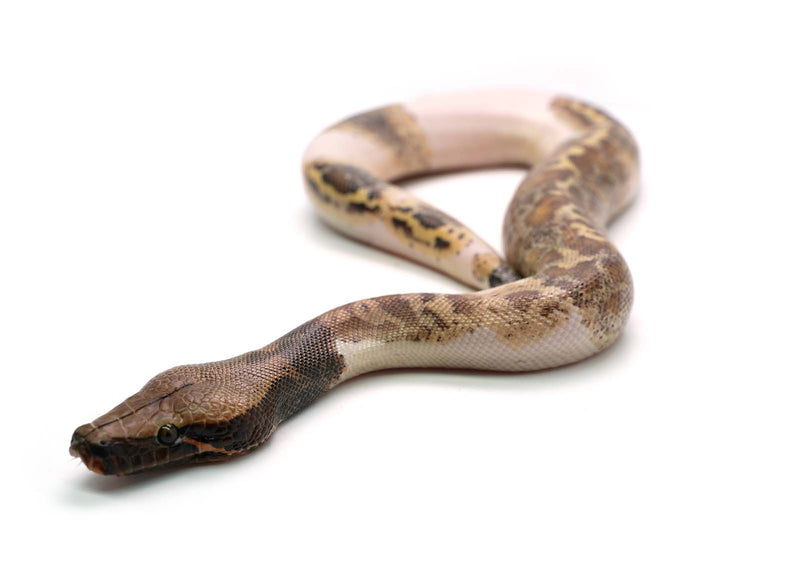
f you only know reptile keeping from glass display terrariums, your first look at a rack system is jarring — rows of tubs in a rack, no branches, no vines, no floodlit jungle scene. The gap between what that looks like and what it is comes down to one question almost nobody stops to ask: what does the snake think a good home is?
Start with the animal. The species that live in racks — ball pythons, blood pythons, many colubrids, neonates of many more — are terrestrial, secretive snakes. In the wild a ball python spends the overwhelming majority of its life inside a rodent burrow or termite mound: a tight, dark, thermally stable space it leaves briefly to eat, drink, and breed. Security is not a nice-to-have for an animal like this; it is the organizing principle of its behavior. The very features that make a rack look barren to us — enclosed, dim, snug — are the features this kind of snake actively selects when given the choice.
Now look at what a well-run rack delivers on the parameters that decide whether a reptile thrives. Thermal control: heat runs through the system on proportional thermostats, giving every level a consistent warm-to-cool gradient that is far more stable than most standalone cages achieve. Humidity: a tub holds a humidity cycle a screen-topped glass tank simply cannot. Sanitation: surfaces are seamless and fully replaceable, so hygiene at scale is actually achievable. Monitoring: a keeper can lay eyes on every animal every day in minutes — which means problems get caught at day one, not week three. Those four things are the spine of husbandry, and racks are engineered around them.
The evidence is the same as it always is: the animals. The rack era is a large part of why ball python and blood python keeping stopped being a struggle — feeding refusals dropped, sheds cleaned up, breeding became consistent, and the species’ "difficult" reputations evaporated. Multi-decade animals, produced and raised in these systems, in visibly excellent condition, are the ordinary outcome in a well-run room. If the format were inherently harmful, forty years of results would show it. They show the opposite.
An honest account has to draw lines, so here they are. A rack is a tool for specific animals, and it is the wrong tool for others — arboreal species, active visual foragers, monitors, most lizards need space, height, light, and complexity a tub cannot offer, and no serious keeper racks them. Size matters: an adult animal in an undersized tub is bad keeping, in a rack or anywhere else. Enrichment thinking has also rightly pushed the field forward — modern rack husbandry includes clutter, substrate depth for burrowing, and choice wherever it can be added, and the best keepers treat "the animal can make choices" as a parameter in its own right. And plenty of keepers, NERD included, run display enclosures alongside racks — the formats answer different questions. Racks are how a breeding colony is kept healthy at scale; a naturalistic display is how a single animal is showcased and enjoyed. Neither is a moral position.
What frustrates me about the "drawers = cruelty" framing is not that it criticizes — this field needs criticism — it is that it is aimed at the wrong target. The welfare problems that actually hurt reptiles in this country are heat rocks and no thermostats, chronic dehydration, wrong humidity, impulse purchases, and owners who cannot read an animal’s condition at all. Every ounce of outrage spent on a photo of a professional facility’s rack room is outrage not spent on the husbandry failures that fill exotic-vet waiting rooms. If we care about the animals, our attention should follow the harm.
So judge any setup — rack, terrarium, free-range room — by the same standard: are the parameters right, can the animal exercise its natural priorities, and is the animal in front of you demonstrably thriving? Ask those questions honestly and the rack debate mostly dissolves. What is left is the only thing that ever mattered: keepers who know their animals, and animals whose condition proves it.
Braxton Warren · The Weekly Note
A new note lands every week.
Thirty-plus years of keeping, breeding, and reading these animals — written down, one note at a time.