
Behavior · Jul 22, 2026 · Kevin McCurley
Socialization: Interacting With the Animals in Your Care
Reptiles are not decorations, and they are not machines. Socialization — regular, predictable, respectful interaction — changes what these animals are capable of, and it changes what you are capable of as a keeper.

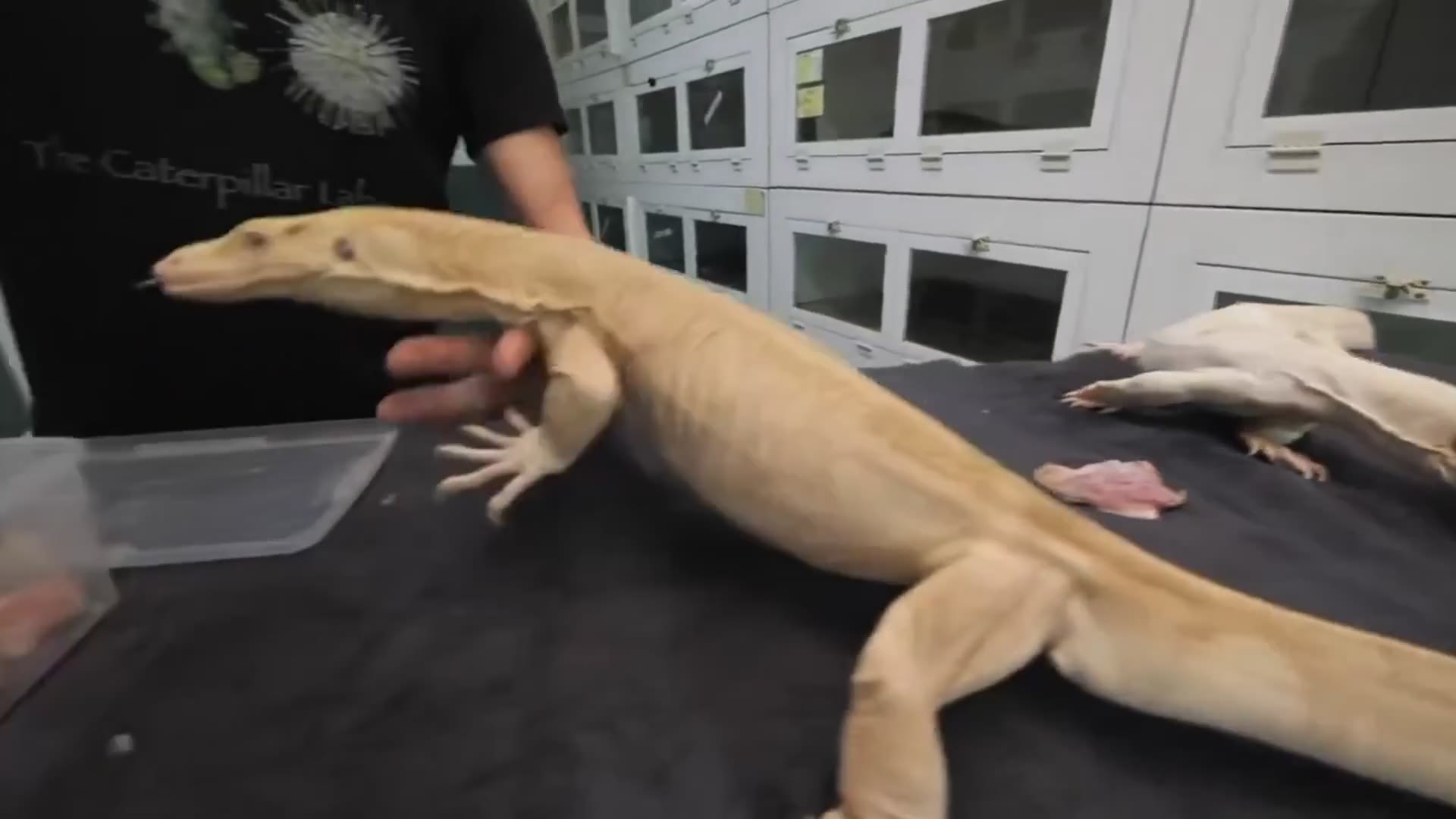
eople are often surprised when I say that socialization is a core part of husbandry — right there next to heat, humidity, and food. The assumption is that reptiles are simple animals: keep the parameters right and the animal is fine, and handling is just something the keeper does for the keeper. Decades of working with these animals daily tells me the opposite. Interaction is a husbandry input, and the animals show you the difference.
Start with what socialization actually is, because it is not "taming" and it is not forcing an animal to tolerate you. Socialization is building a predictable history between you and the animal. Same approach, same pace, same handling style, day after day — until your presence stops being an unknown. Reptiles are pattern animals. They learn schedules, they learn routines, and they absolutely learn people. What they cannot do is fill in the blanks generously: an animal with no information about you assumes the worst, because in the wild that assumption is what keeps it alive.
The practical rules are simple. Move slowly and deliberately — fast hands read as predators. Handle regularly but briefly at first; frequency builds familiarity faster than duration. Support the body fully and let the animal move; restraint is what panics a reptile, not contact. Never start a session by surprising an animal in its hide, and learn the difference between an animal exploring you and an animal looking for an exit. End sessions while they are still going well. Every one of those rules comes down to the same principle: be predictable, and let the animal keep some control.
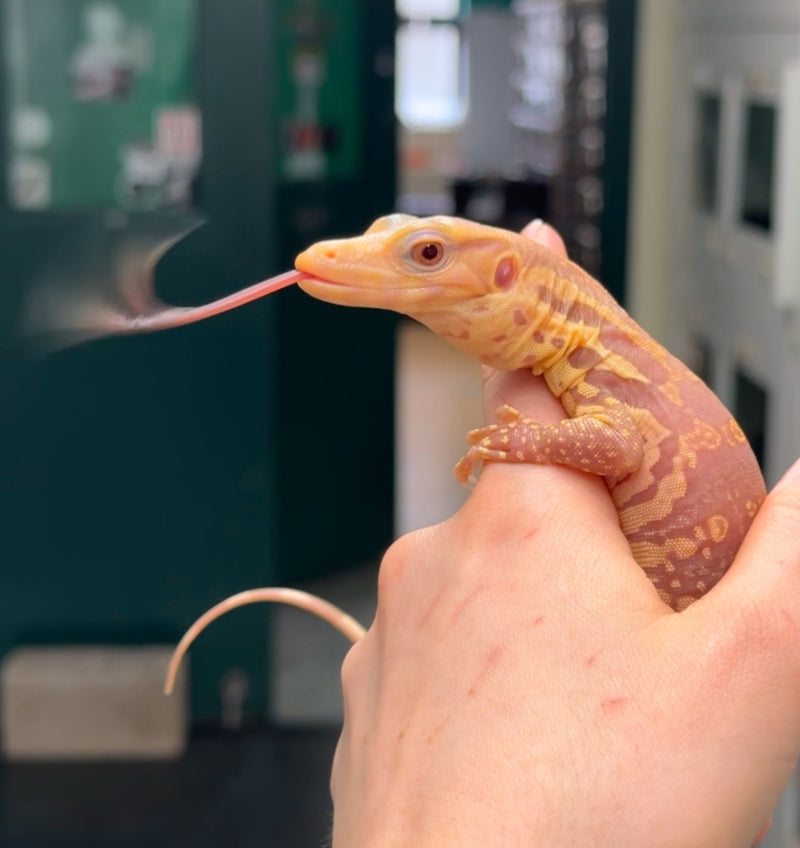
Some species make the case unmissable. Monitors are the obvious one — a water monitor that has been worked with respectfully becomes calm, curious, and genuinely interactive, while the same animal left alone in a cage stays defensive its whole life. Large pythons are another: with retics especially, consistent socialization is not optional, it is the foundation that makes keeping a large, intelligent constrictor responsible at all. But it shows up everywhere — ball pythons that feed more consistently, blood pythons that shed their "bad attitude" reputation, colubrids that stop musking the moment routine sets in.
What does the animal get out of it? Lower stress, first — a keeper who is a known quantity is one less threat to budget energy against, and chronic stress is the quiet killer in this hobby. Better care, second — a socialized animal can be examined, weighed, medicated, and moved without a wrestling match, which means problems get caught and treated early. And more life, honestly: an animal that is comfortable being out gets more space, more variety, more stimulation. The enclosure stops being the whole world.
What do you get? You become a better reader. Hands-on time is where you learn what normal muscle tone feels like, what a healthy weight feels like, how this individual animal moves when everything is right. That baseline is the most valuable diagnostic tool you will ever own, and there is no way to build it from the other side of the glass.
A hard line, because it belongs in any honest piece on this subject: socialization never overrides respect. Venomous animals are worked with protocols and tools, full stop. Large constrictors are handled with appropriate precautions no matter how "puppy dog" they seem. And an animal that is telling you no today gets a no — reading the animal comes first, always. Socialization built on ignoring the animal’s signals is not socialization; it is desensitization by force, and it eventually costs both of you.
If you take one thing from this note: schedule interaction the way you schedule feeding. A few calm minutes, most days, on the animal’s terms. Six months from now you will have a different relationship with every animal in your collection — and you will wonder how you ever kept them at arm’s length.
Kevin McCurley · The Weekly Note
A new note lands every week.
Thirty-plus years of keeping, breeding, and reading these animals — written down, one note at a time.